Hey jij! Zin om mee te bouwen aan de jongerenstem in het klimaatdebat? Bekijk onze vacatures.

Our vision for 2040

The Youth Climate Agenda 3.0

What should the Netherlands look like in 2040? Seventy youth organisations wrote it down together: how our economy and energy system work, and how we live, travel, eat and learn.

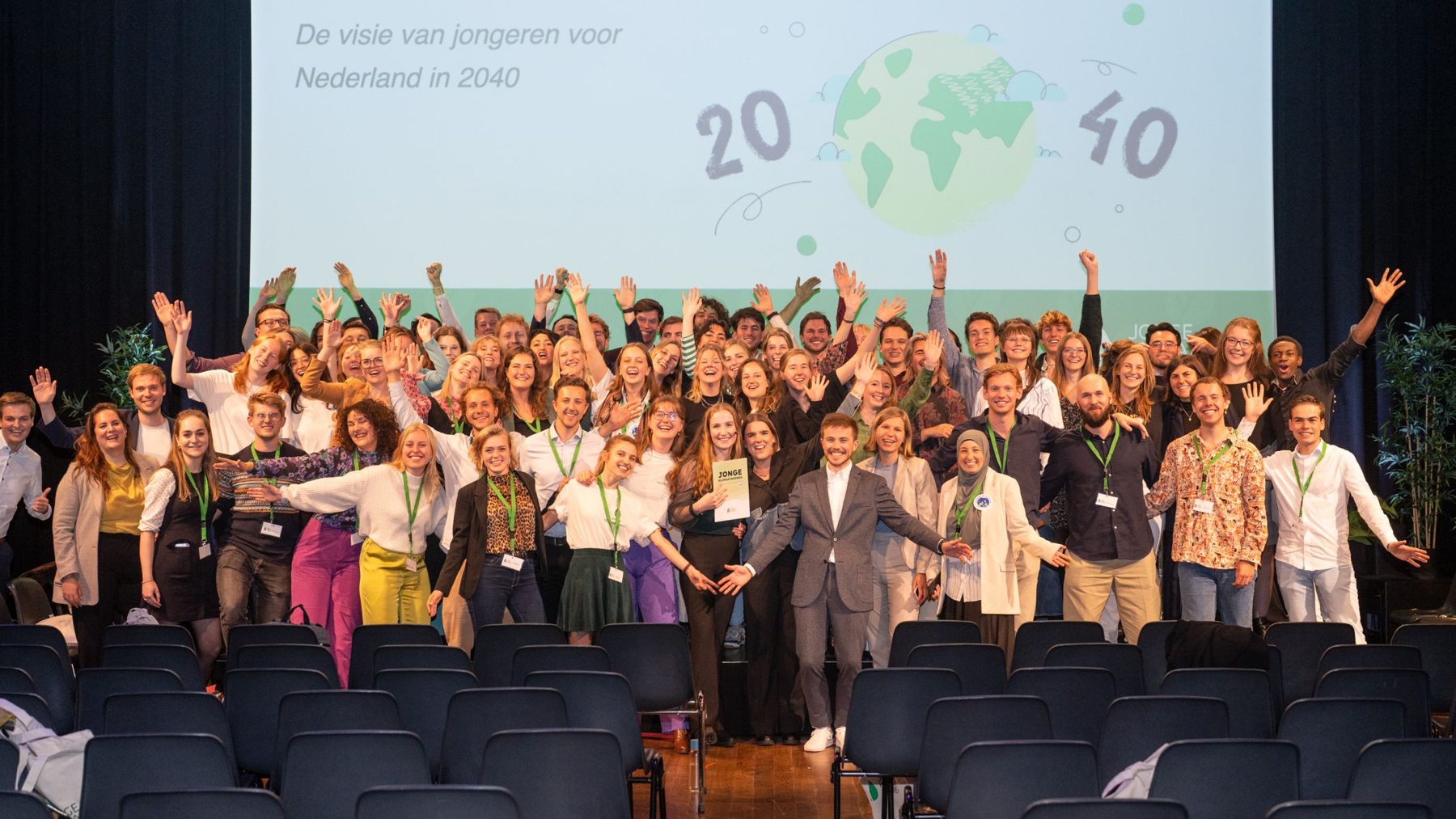
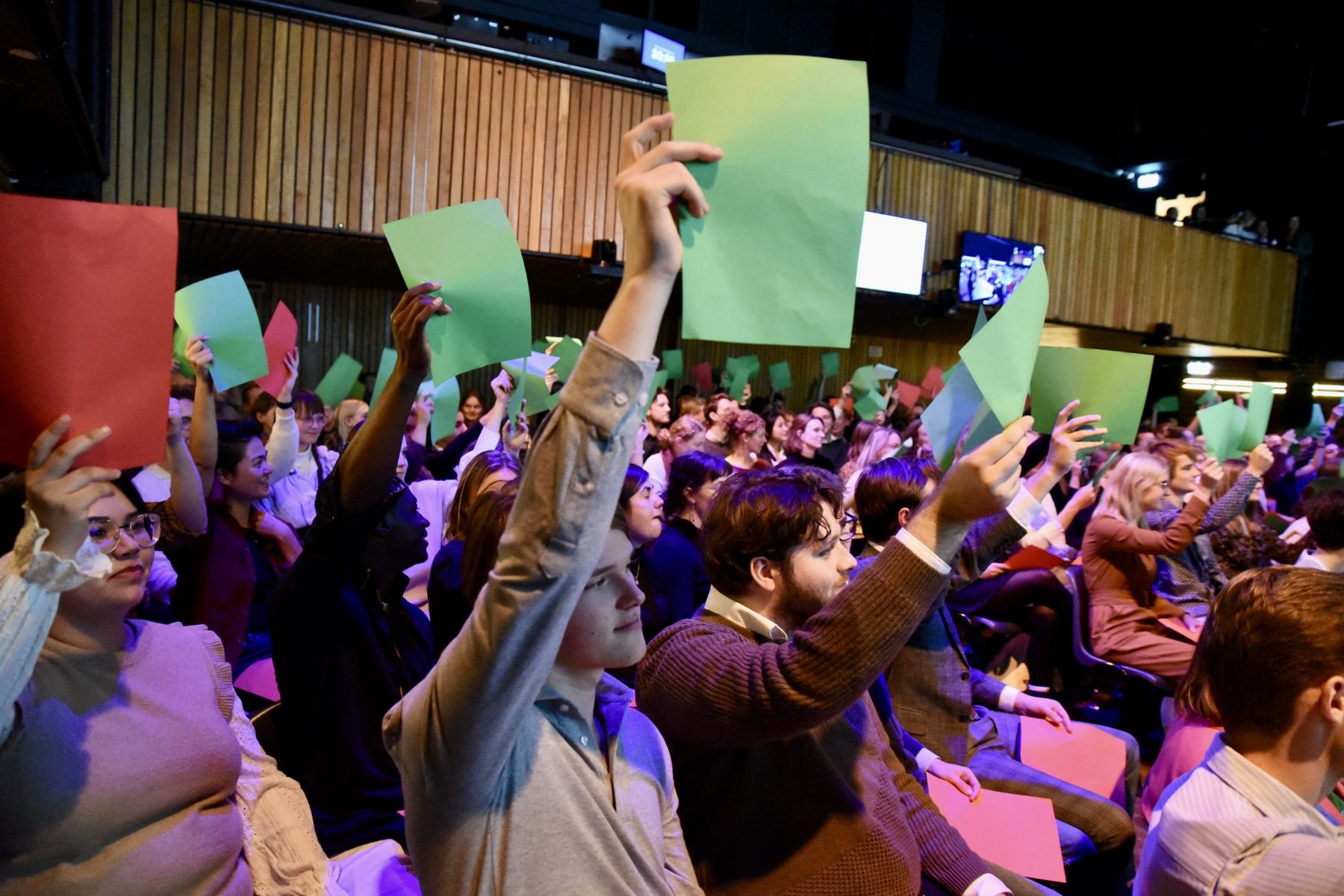
A packed hall of young people holding up green and red cards during the launch of the agenda

A future dream of young Dutch people

You can’t reach a goal you can’t see

The agenda sets out an ambitious vision of the Netherlands in 2040. It helps curb climate change and makes the country a fairer place to live.

Because if we don’t know what our lives should look like in 2040, how can we work towards it?

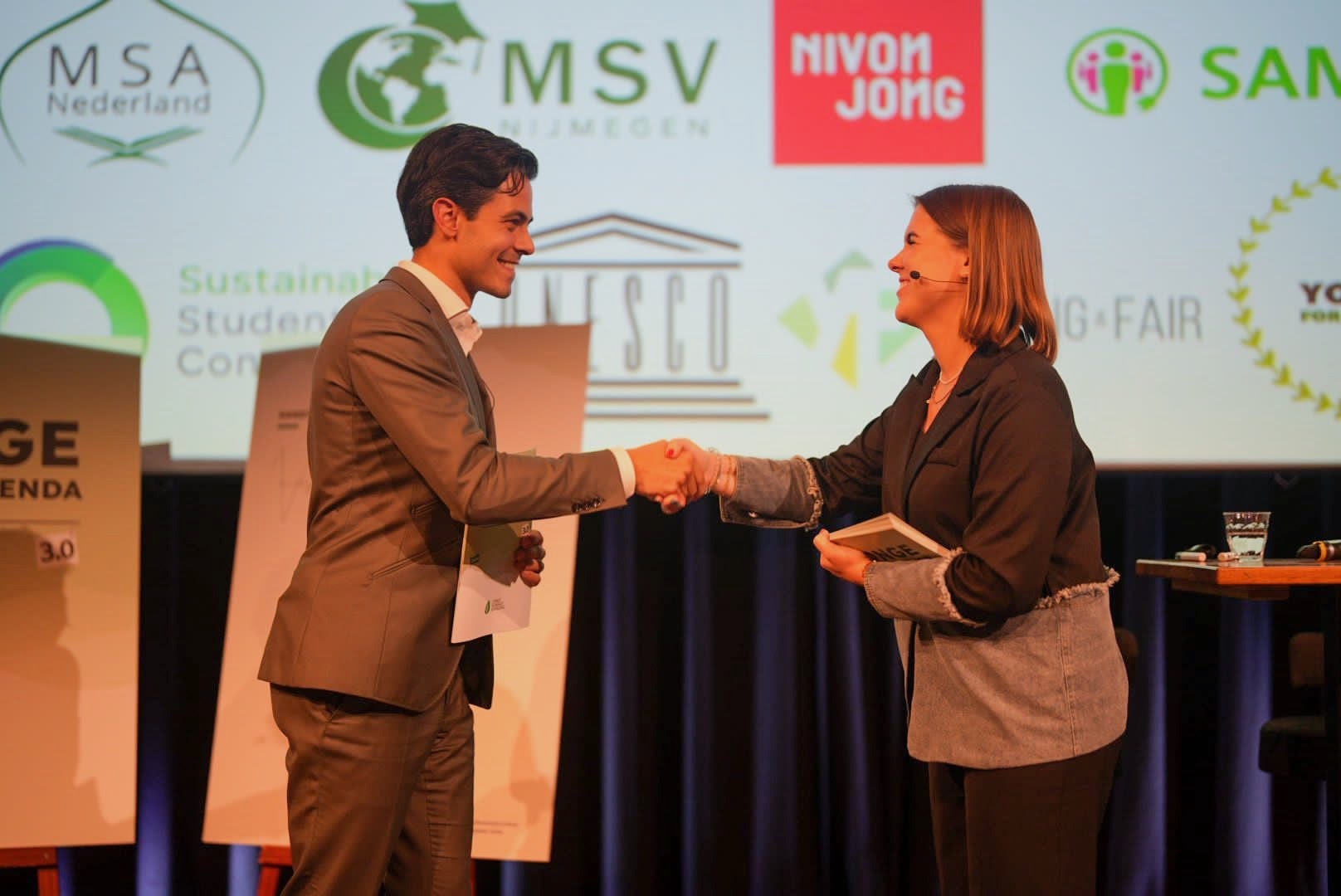
We presented the agenda to Rob Jetten, then Dutch Minister for Climate and Energy, on 29 September 2022 in Amsterdam, in front of more than 350 young people.

  • 70

    youth organisations wrote it together

  • 7

    themes for the Netherlands of 2040

Minister Rob Jetten shakes hands on stage with a woman holding the agenda, with the logos of youth organisations behind them

The agenda

The seven themes

These seven themes show how we can live sustainably in 2040. They don’t stand on their own: shared opportunities and challenges tie them together. Wind turbines and solar panels can take up space that nature needs, and they can also make more room for it.

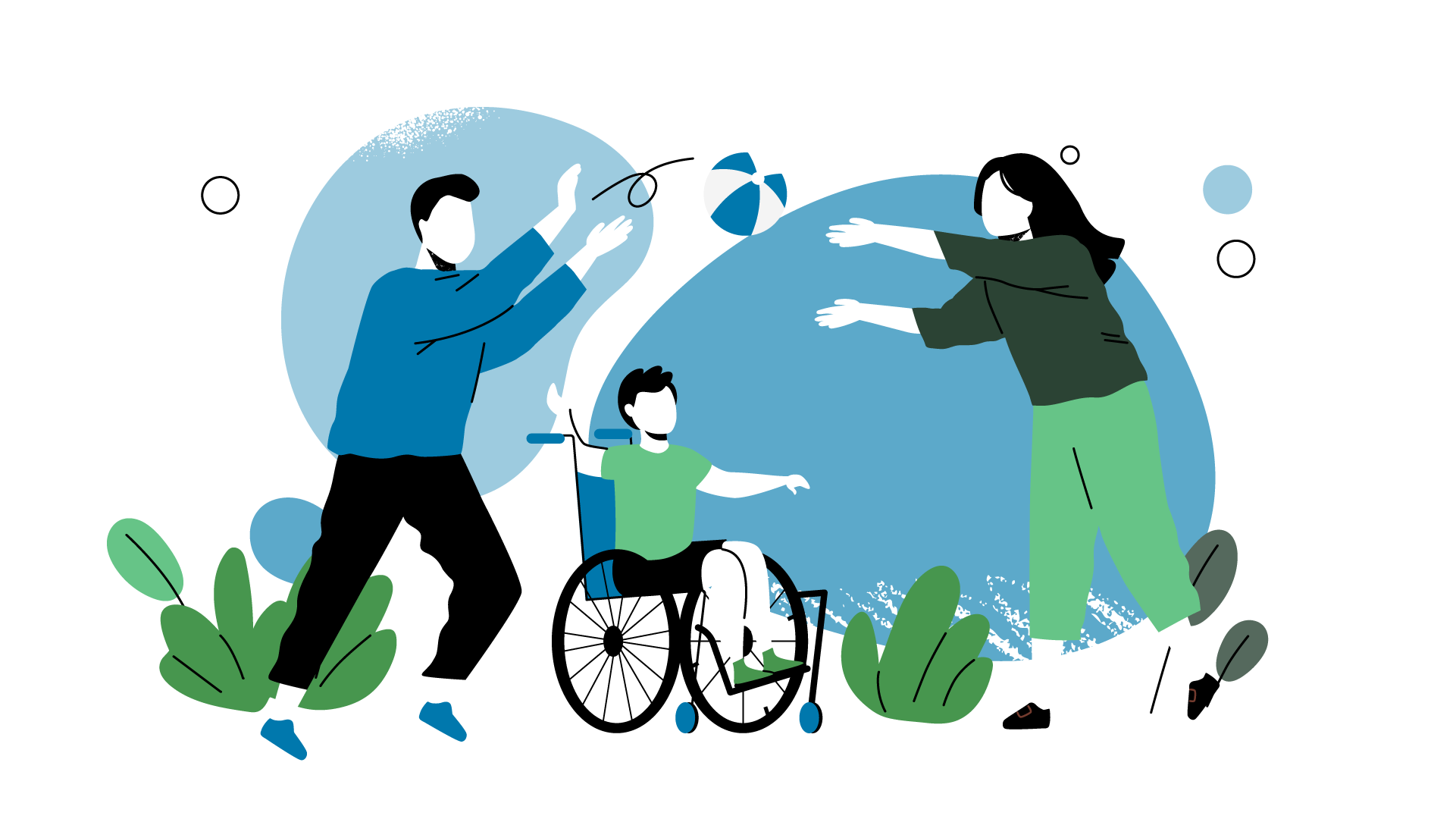
Illustration of two adults and a child in a wheelchair playing ball together

01 Theme 1 of 7

Economy

By 2040 our economy works very differently. Making money still matters, yet it is no longer the highest goal. What counts is happiness and health, fairness and sustainability. We also look beyond ourselves, at our impact on people on the other side of the world and on future generations. Nature counts just as much.

Read more

Life is less about how much we can buy. Nobody needs a new phone every year or a new outfit for every party. What we buy carries its real price, and we borrow or rent a lot of things.

Because we work less, we have more time for volunteering, friends, family and hobbies. Our work, paid or unpaid, adds real value to the world. The companies we work for put the happiness and health of people and nature first. That way the economy of 2040 stays within the limits of the planet and gives everyone the chance to be happy.
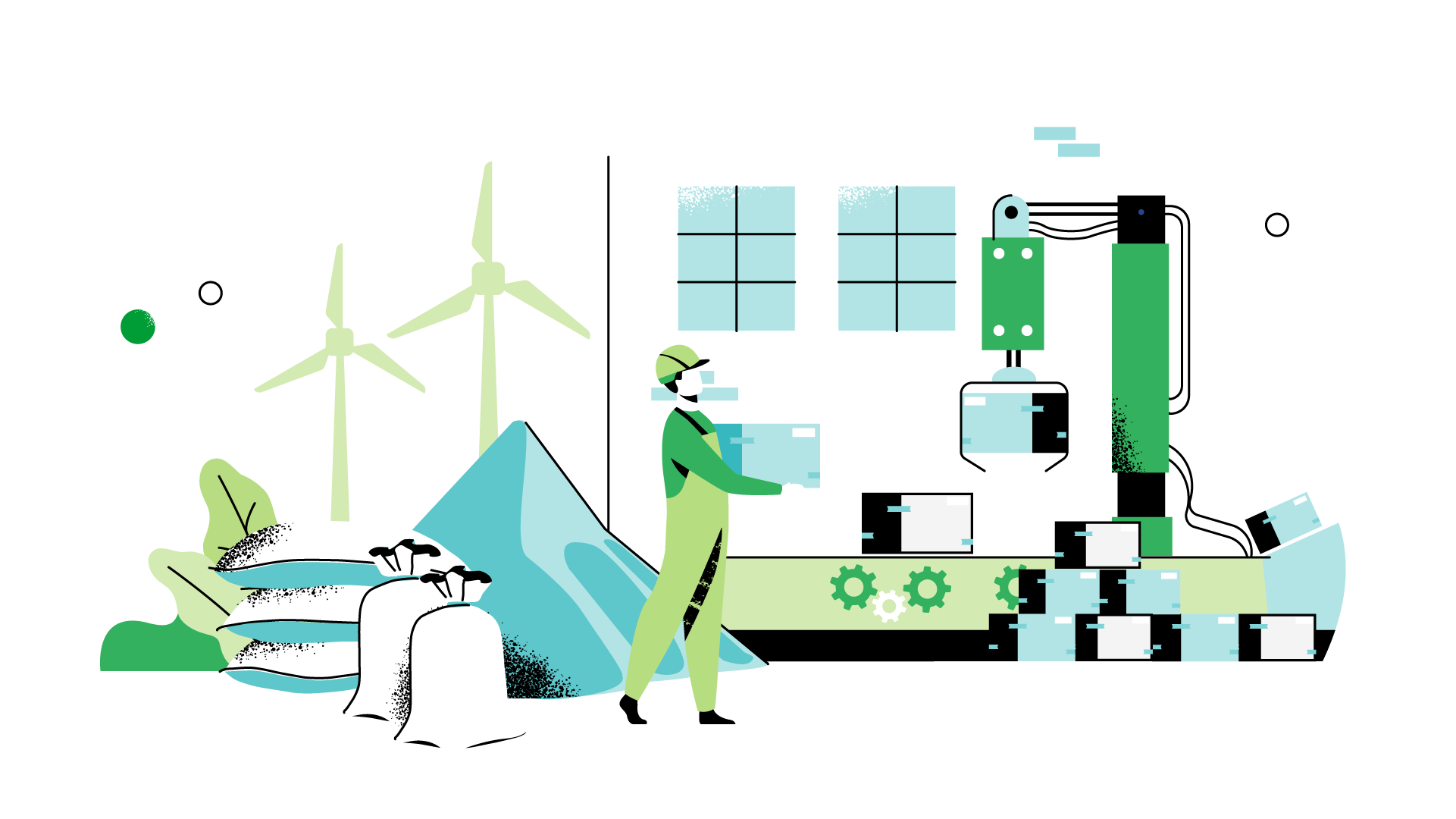
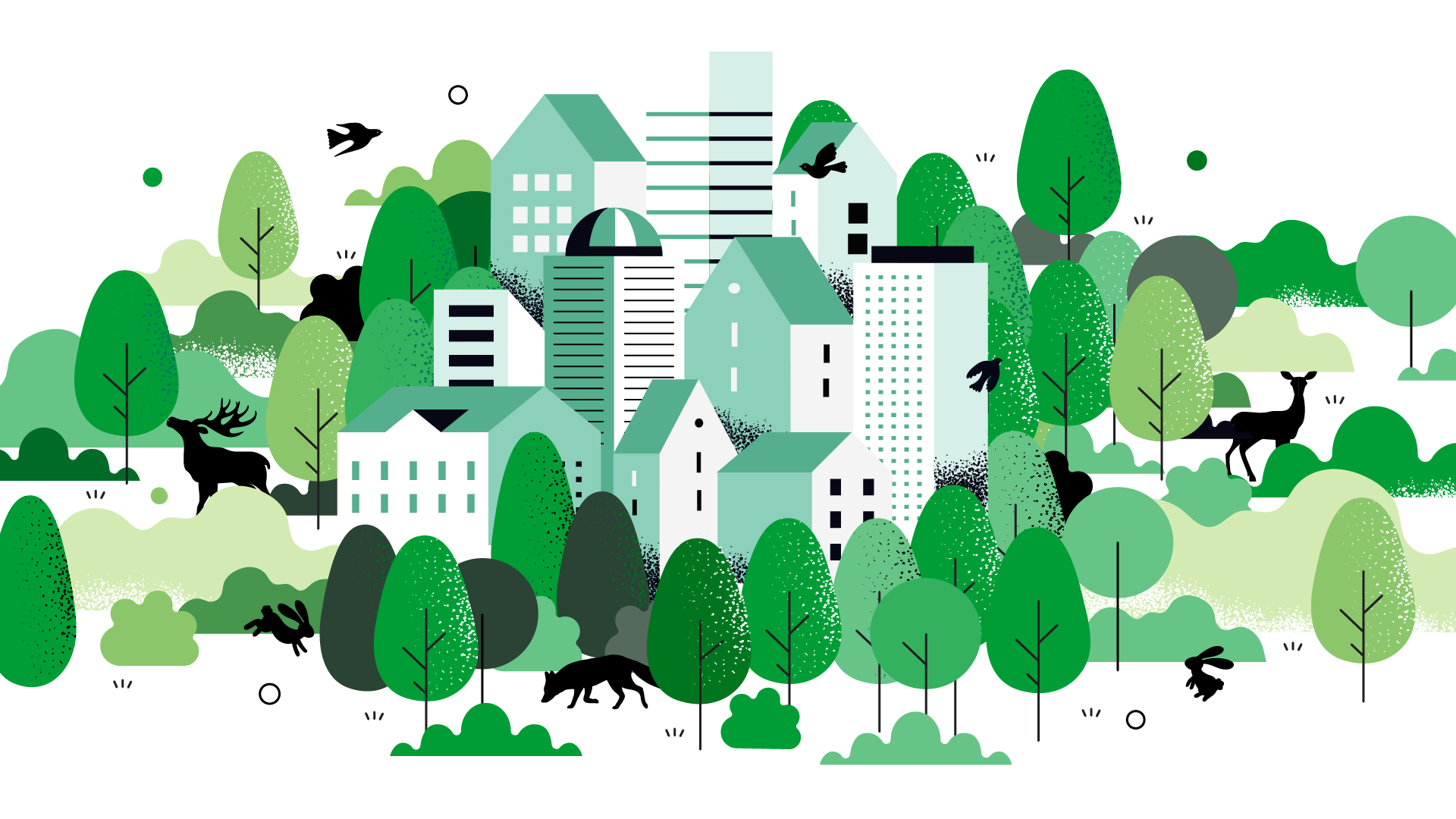
Illustration of a worker at a factory conveyor belt, with solar panels and wind turbines in the background

02 Theme 2 of 7

Energy & Industry

By 2040 our energy supply is fully sustainable. We have stopped using fossil fuels such as coal and gas, so we no longer emit CO2. Our energy comes from renewable sources: sun and wind supply most of it, and geothermal energy fills the gap.

Read more

Part of that energy goes straight to our homes, and part is stored in sustainable energy carriers such as hydrogen. Industry runs fully on renewable sources too.

We are much more conscious of energy in 2040. We generate it safely, and from generation to storage we keep the harm to people and nature as small as possible. We waste very little and save wherever we can, because saved energy is the most sustainable kind. When we consume less as citizens, industry has to produce less. A win for everyone.

Illustration of apartment blocks in the middle of a forest, with deer and birds among the trees

03 Theme 3 of 7

Biodiversity & Nature

By 2040 we live side by side with nature. We feel part of it and take good care of it. Thanks to this new relationship, the number of plant and animal species has grown again, and there are more protected natural areas.

Read more

City and nature blend into each other, so anyone can unwind in the green at any moment. From the centre of Amsterdam to the endless meadows of Friesland, there is more room for trees and flowering shrubs.

In built-up areas, industrial estates included, the paving comes out. Greenery and blossom take its place, along with buzzing insects and birdsong. That prevents flooding in extreme weather and makes summers less hot and dry. We live safer and healthier lives, and that makes us happy.

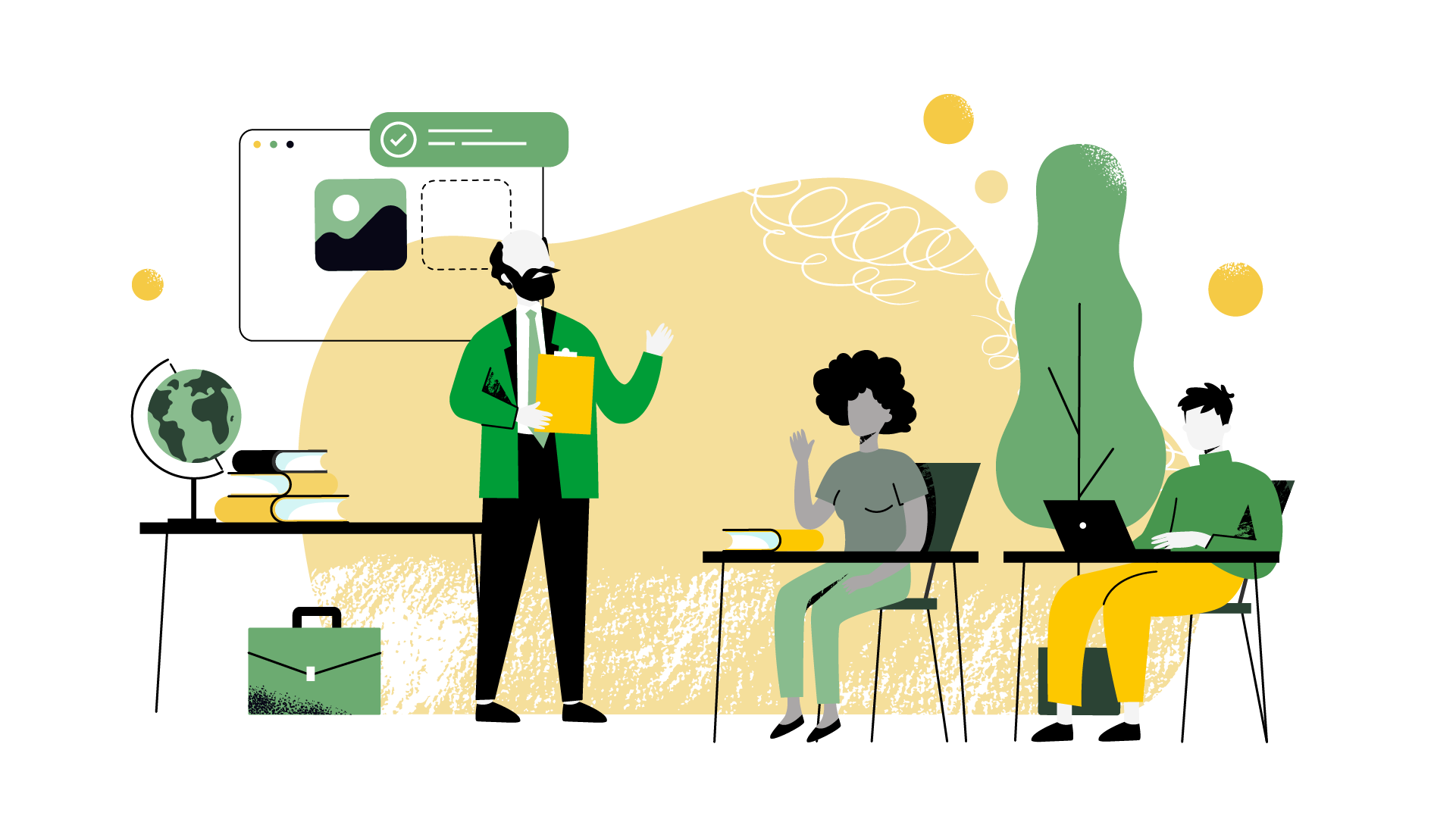
Illustration of a teacher at a digital whiteboard and two students with laptops at their desks

04 Theme 4 of 7

Education

By 2040 we learn about sustainability and we live it too. Schools are an important part of a sustainable society and use nature and their surroundings as a classroom. The school shows what a sustainable world looks like, in what you learn and in how and where you learn it.

Read more

While we study, we help build a more sustainable world ourselves, with hands-on assignments such as generating renewable energy or growing organic vegetables.

Schools work together to make that happen, with each other and with experts from the field. We keep learning all our lives: even after graduating you can train to become a real sustainability expert. That way young and old grow together to build a green future.

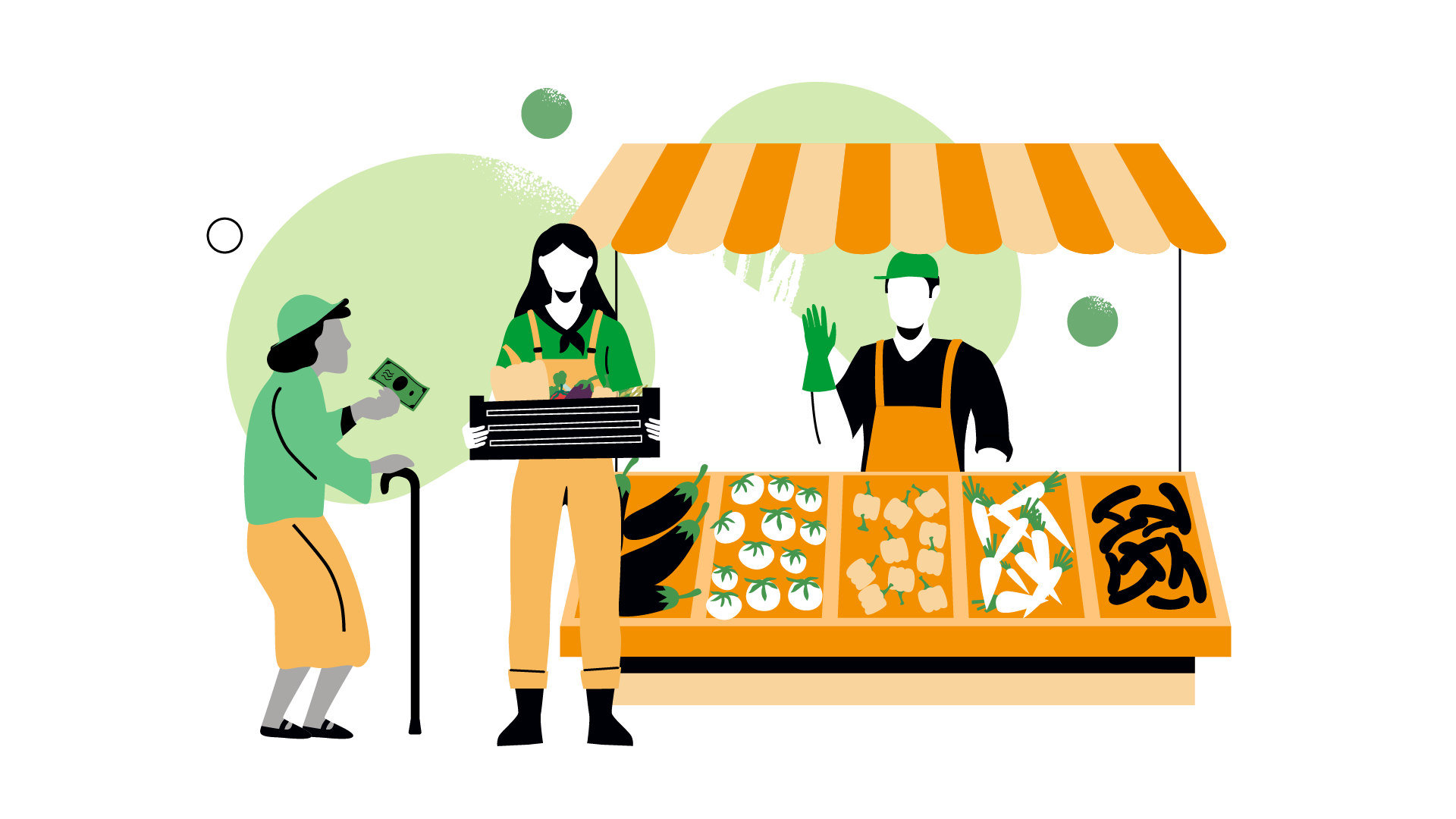
Illustration of a market stall with fruit and vegetables, a customer carrying a crate and an older woman with a walking stick

05 Theme 5 of 7

Food

By 2040 we eat healthily and sustainably. We produce no more than we need, so our farming cares for the soil instead of exhausting it. We eat with the seasons and mostly plant-based.

Read more

Shops show clearly where our food comes from and what is in it. As much as possible, it comes from a local farmer who gets a fair price. With regenerative methods, that farmer keeps nature healthy every day. That way our food supports our own health and a clean planet.

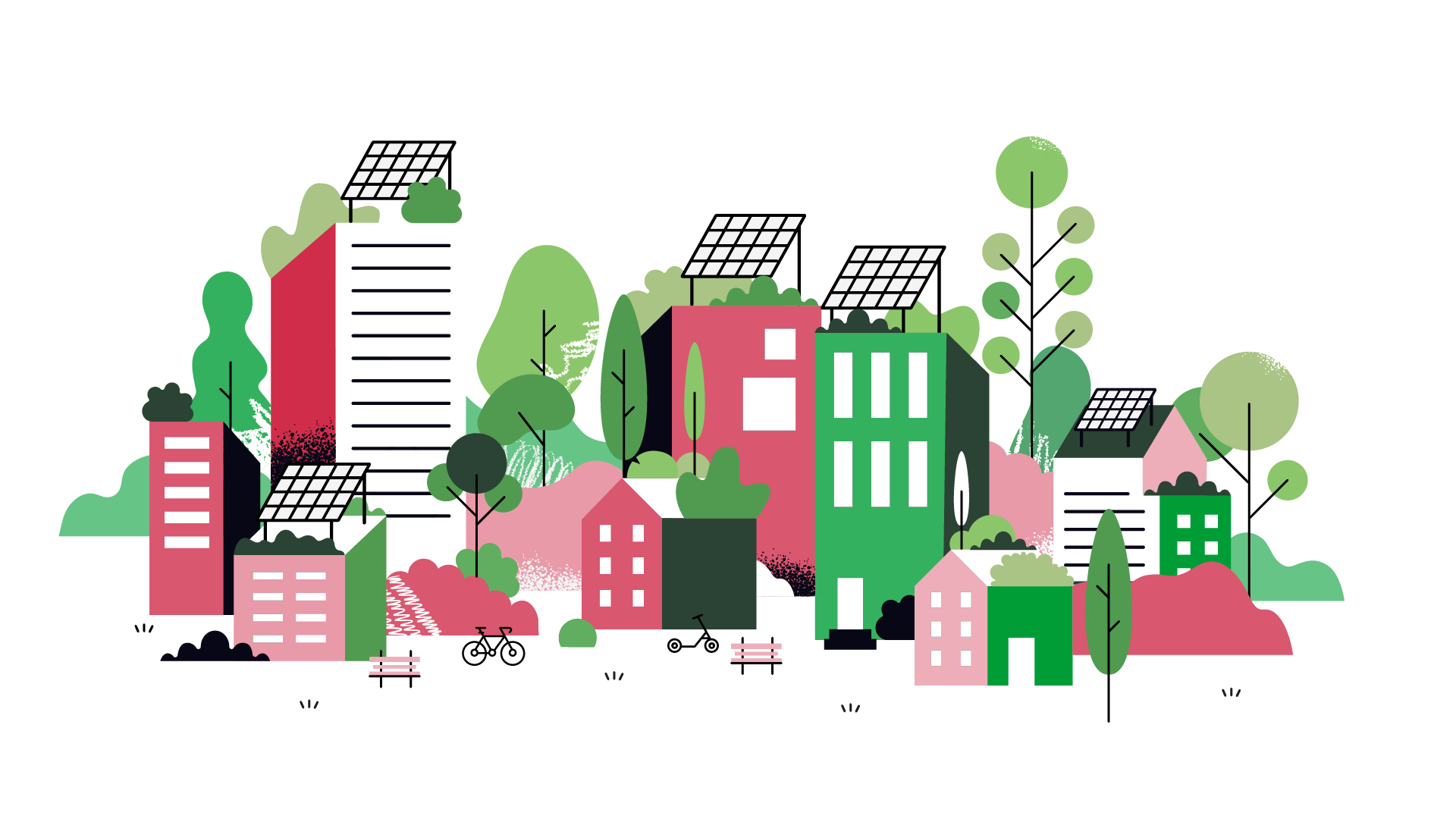
Illustration of a colourful neighbourhood with solar panels on the roofs and trees between the houses

06 Theme 6 of 7

Housing

By 2040 we live in a green environment that is relaxed and lively at once. We share more spaces in our neighbourhoods and at work, which frees up room in the city for homes and greenery. With more green and blue around us, such as parks, green belts, rivers and ditches, we live healthier and more relaxed lives.

Read more

Our homes are more sustainable too. We build with sustainable materials, such as natural materials that store greenhouse gases. When a house comes down, we keep those materials and reuse them in a new one.

Buildings are insulated as well as possible and use little energy, so they are comfortable in every season. Facades and roofs are covered in solar panels and plants. That way we lose as little raw material and energy as possible, and our homes help build a green future.

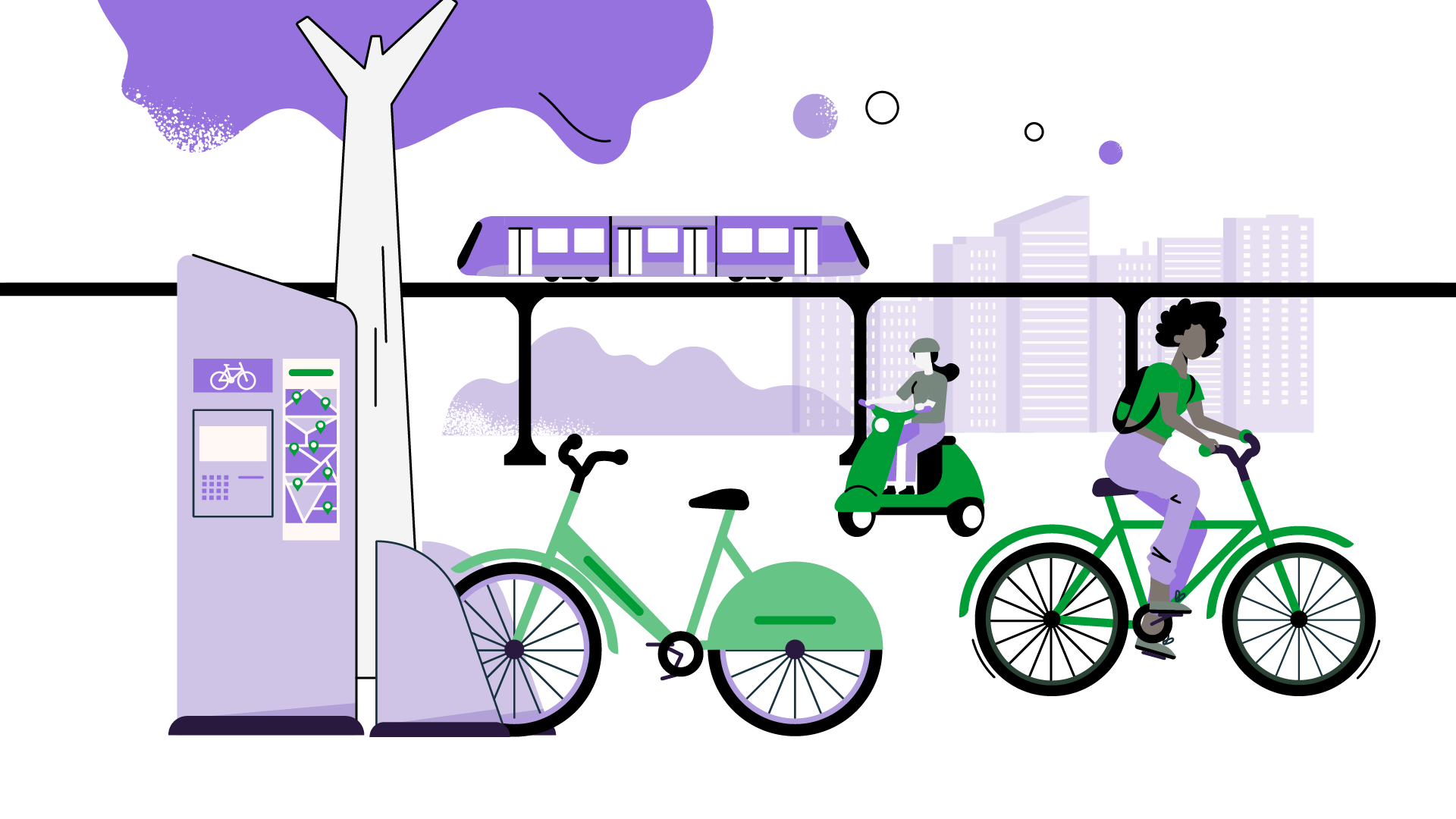
Illustration of two cyclists and a bike-sharing station, with a train on a viaduct above them

07 Theme 7 of 7

Mobility

By 2040 our wellbeing comes first, on the road as well. We choose the best way from A to B instead of the fastest: best for ourselves and our belongings, and for nature. So we travel more calmly and without stress.

Read more

The places we go every day, from school and work to nature, have moved closer together. We travel shorter distances and enjoy being on the road again. Our mobility system is built around calm and happiness, and everyone can use it, whatever their income or gender. Your health is no barrier either. We travel less and more meaningfully, and therefore much more sustainably.

On our way to a liveable future

The full English document isn’t online yet. Email us and we’ll send it, or read the Dutch original right away.

Added in 2023

The Youth Water Vision

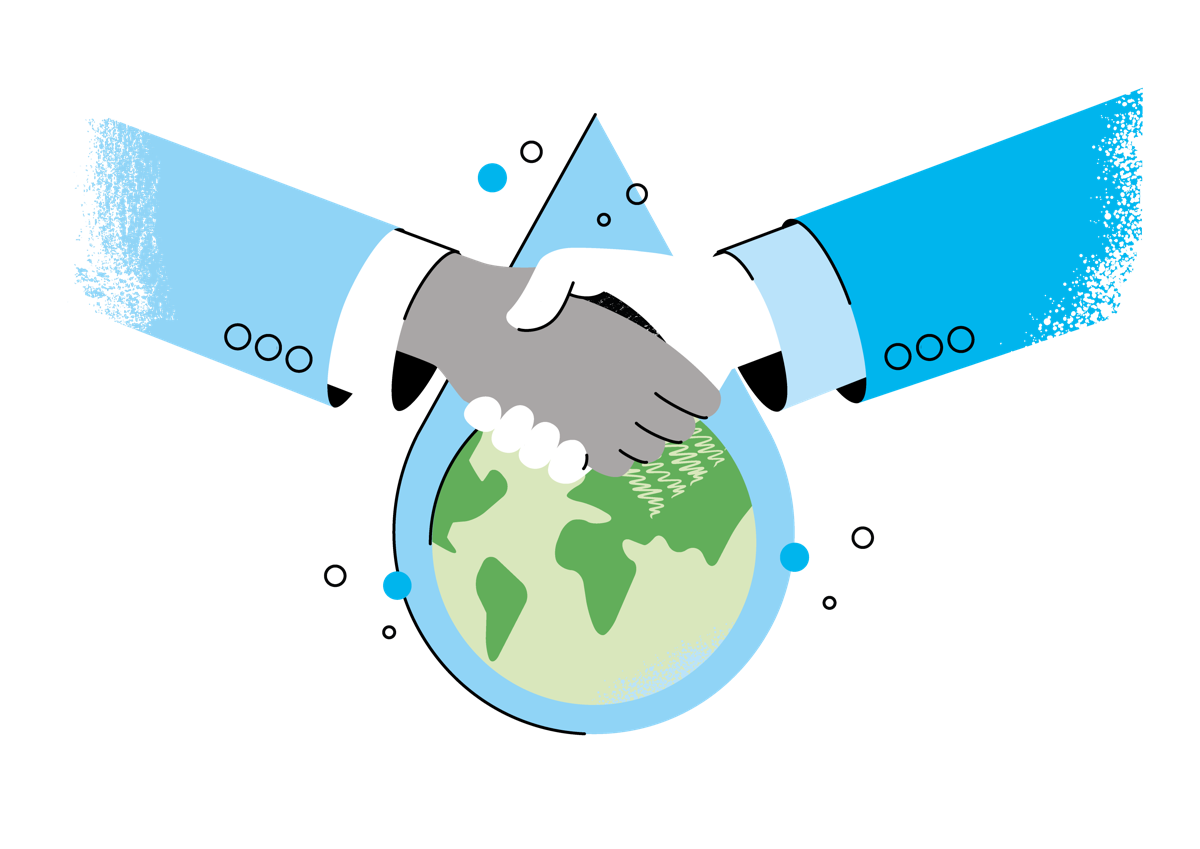
In the run-up to the UN Water Conference of March 2023, we asked young people from all walks of life how the Netherlands should live with water in 2040. Their vision covers six themes and completes this agenda.

Bekijk de Jonge Watervisie
Illustration of two hands shaking above a water drop with the Earth inside it

Help keep this vision on the table

We hold politicians and policymakers to this agenda. As a Friend of JKB you make that work possible.

Logo with the European flag and the Dutch text Medegefinancierd door de Europese Unie, co-funded by the European Union

The Youth Climate Agenda 3.0 is co-funded by the European Union.